Share
Make science real, memorable, shared.
Hands-on demonstrations help learners connect big ideas to the bodies they live in and the world around them.
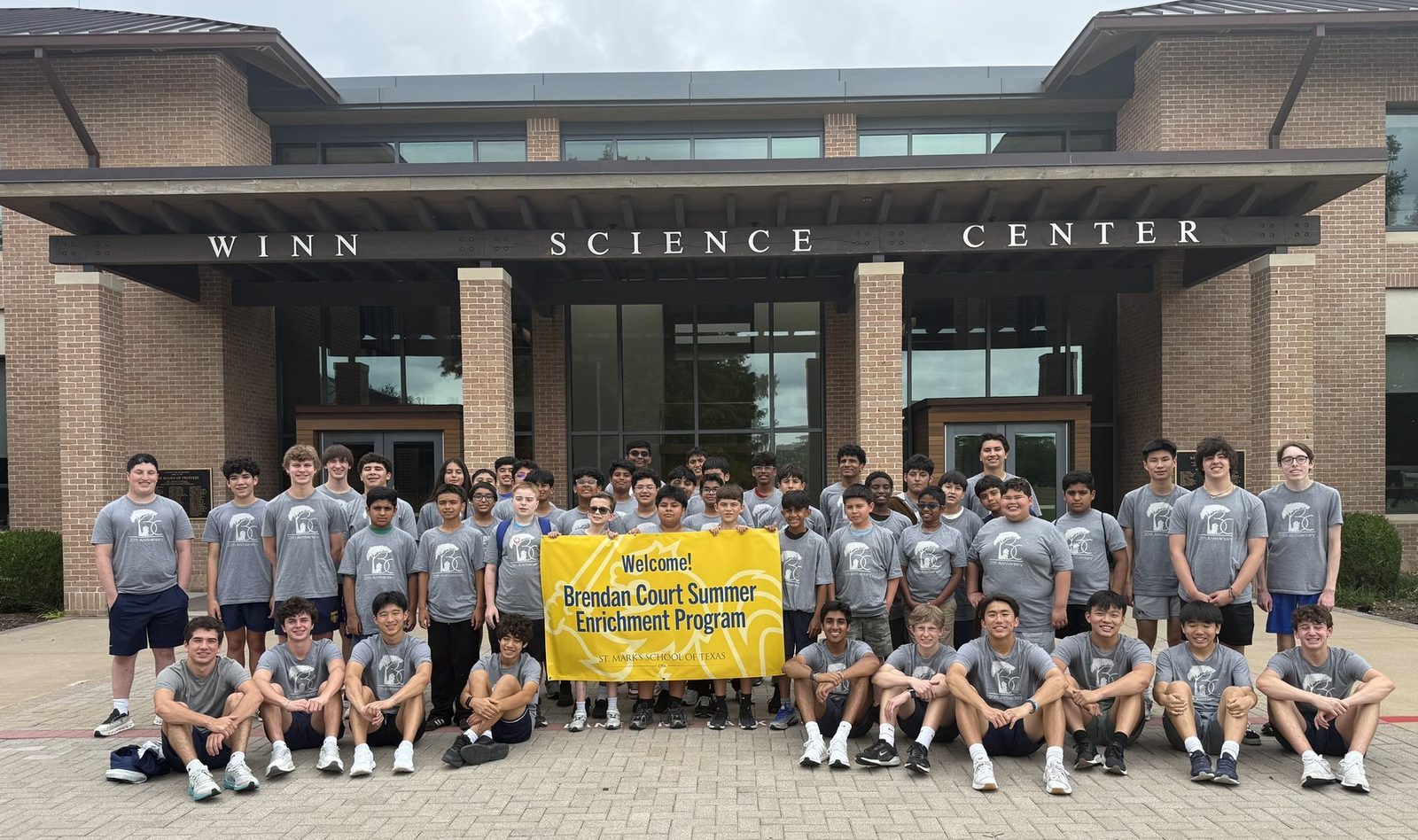
Teaching through discovery
From textbook concepts to hands-on questions.
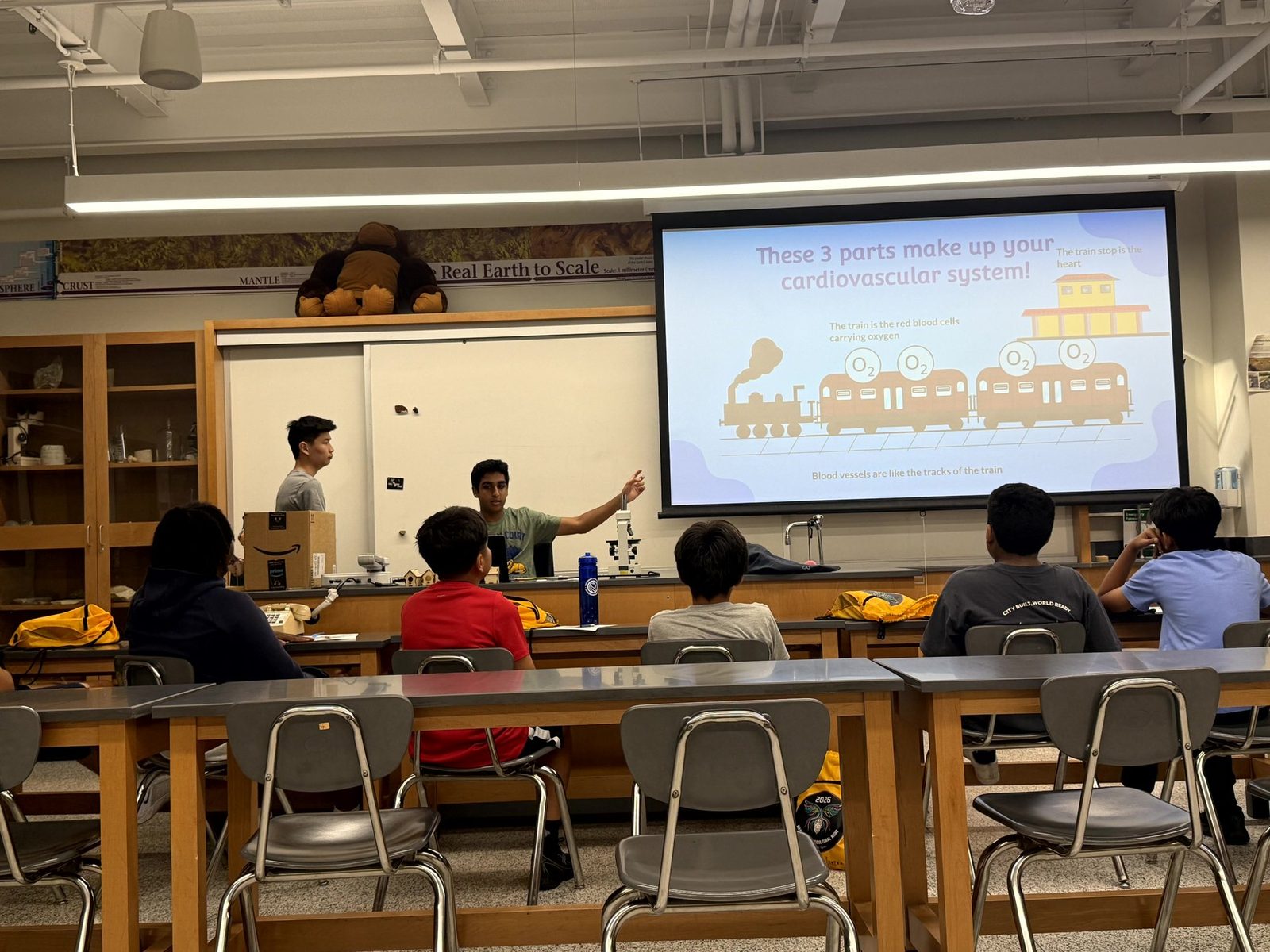
The Science of You is a science-learning initiative built around tangible demonstrations and interactive exploration. Topics include cardiovascular function, the nervous system, genetics and DNA, cells and immunology, and the physics of the musculoskeletal system.
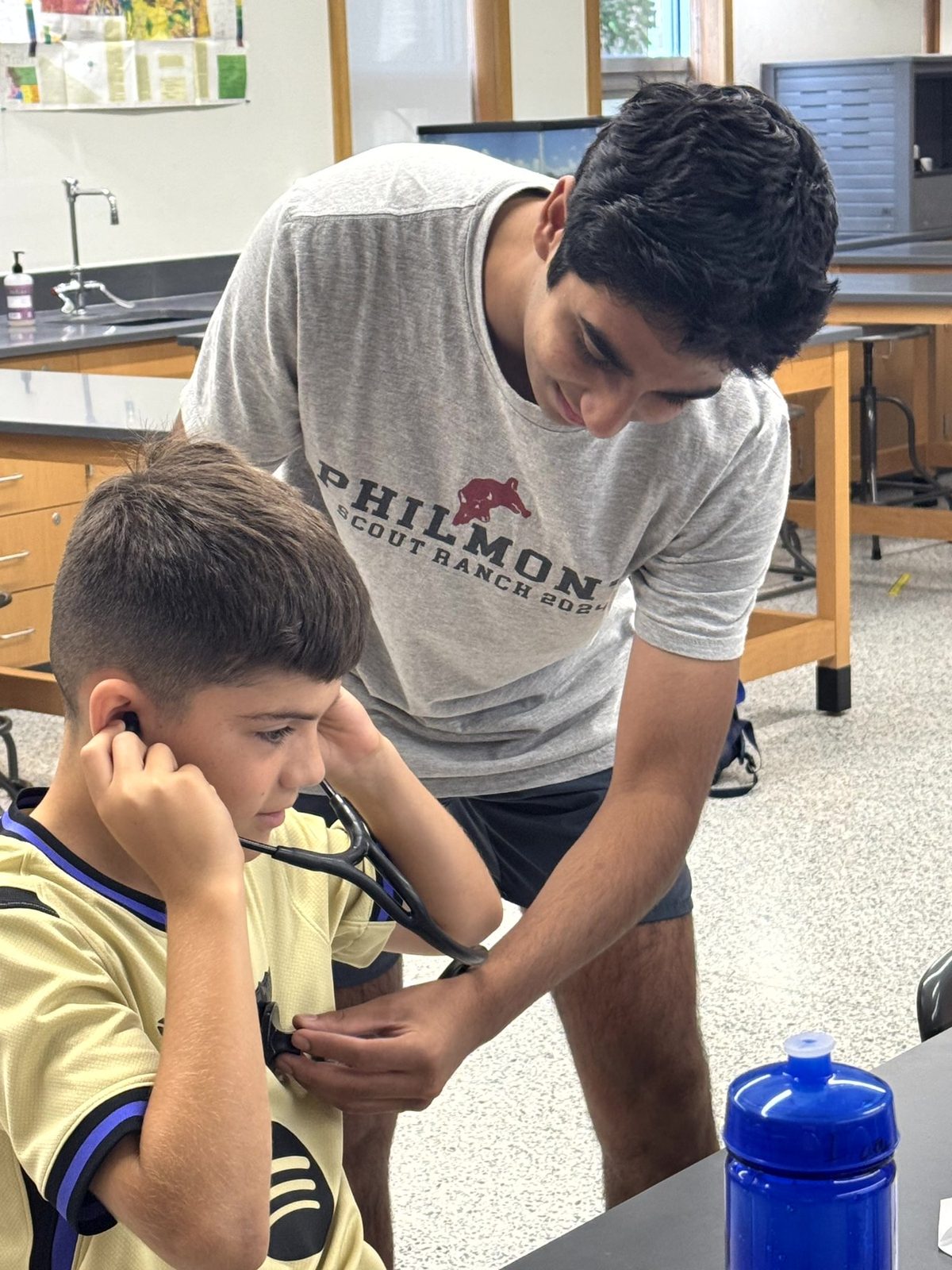
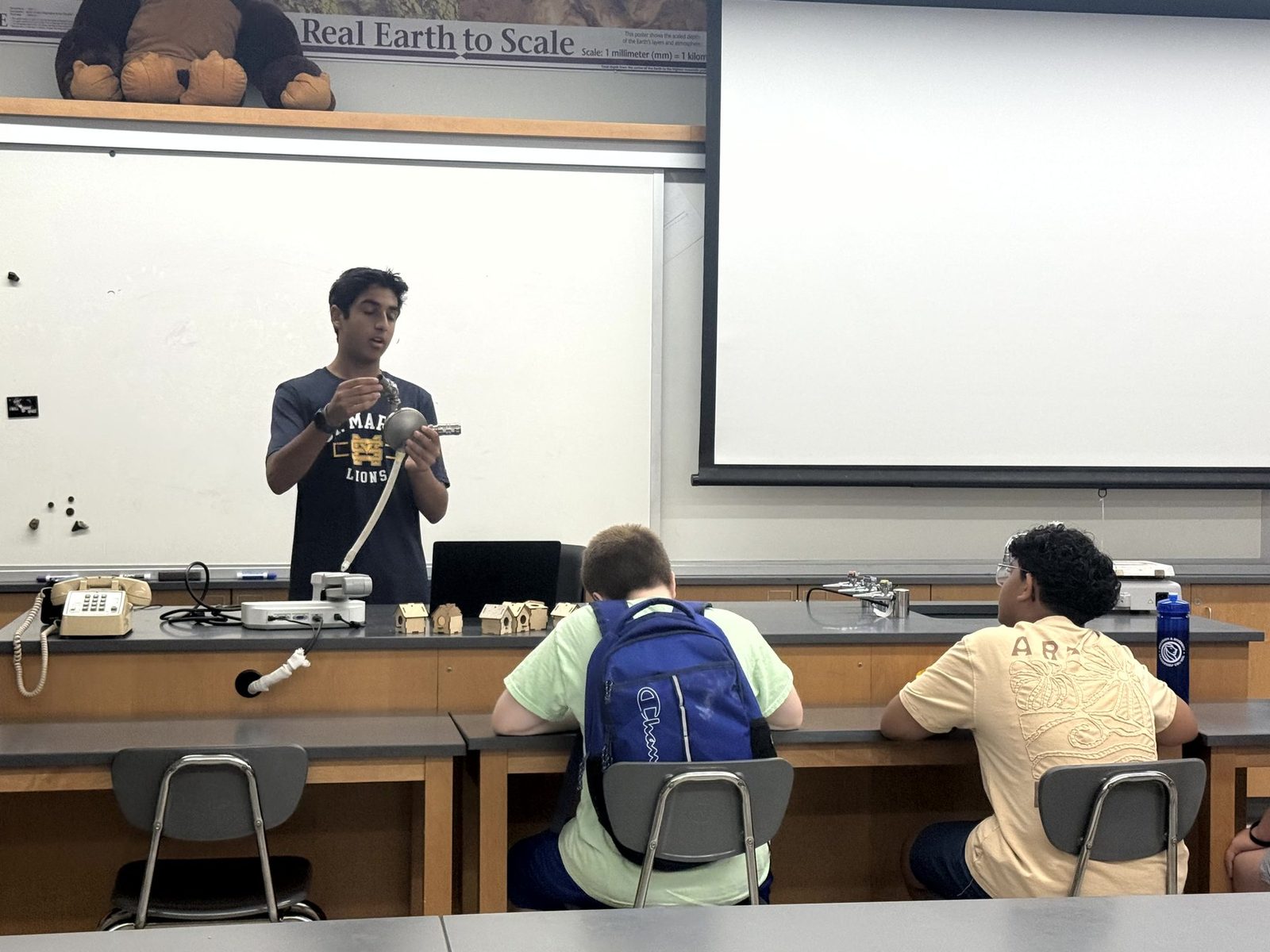
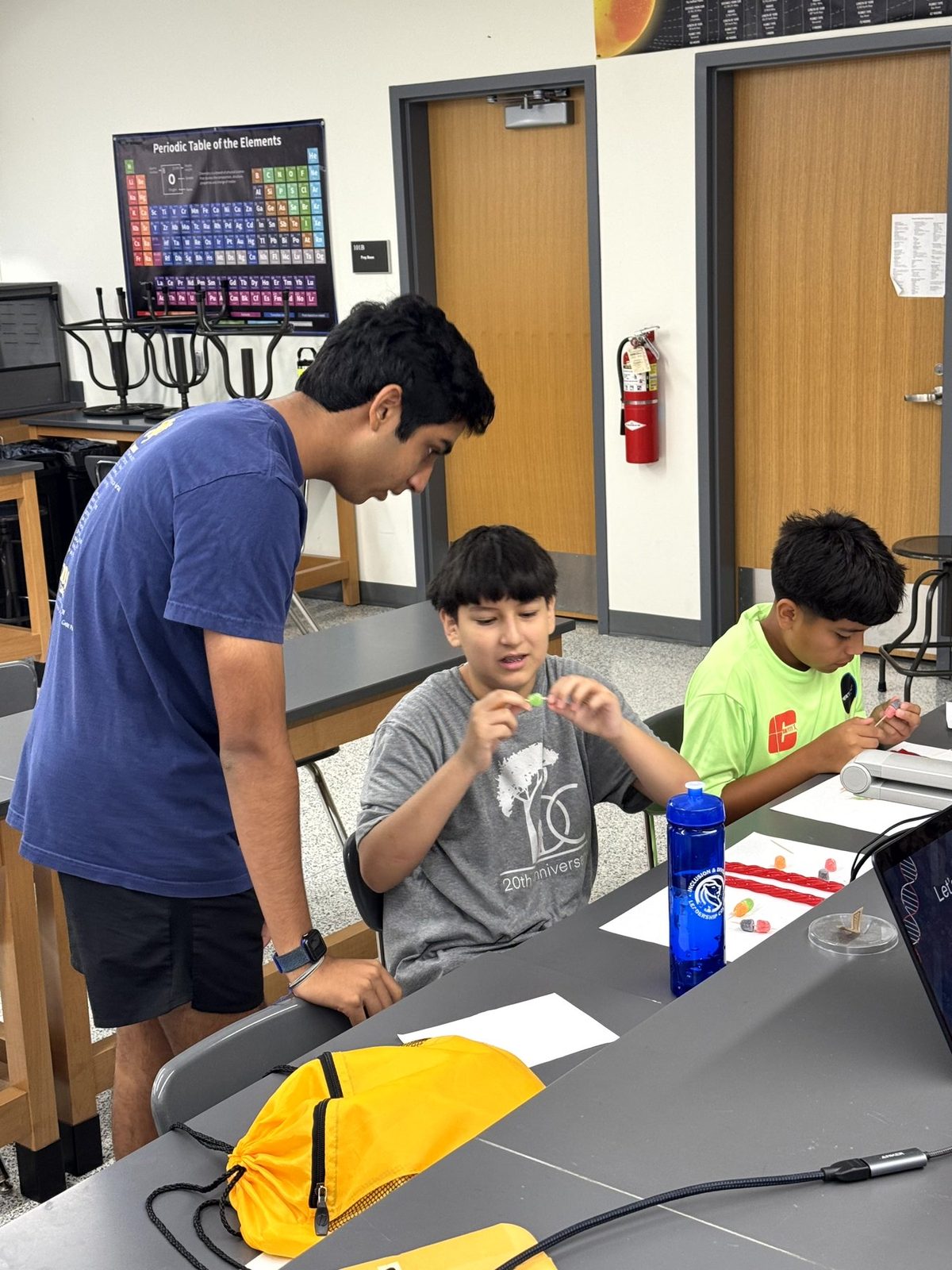
Activities can include building a DNA helix, tracing pathways in the nervous system, exploring heart function with models, and investigating the forces involved in movement.
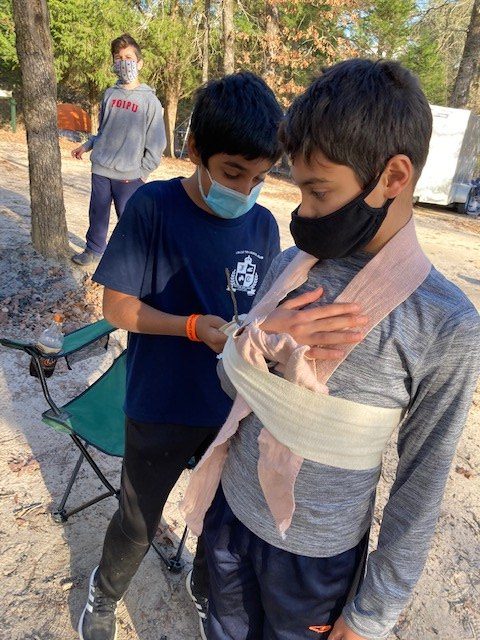
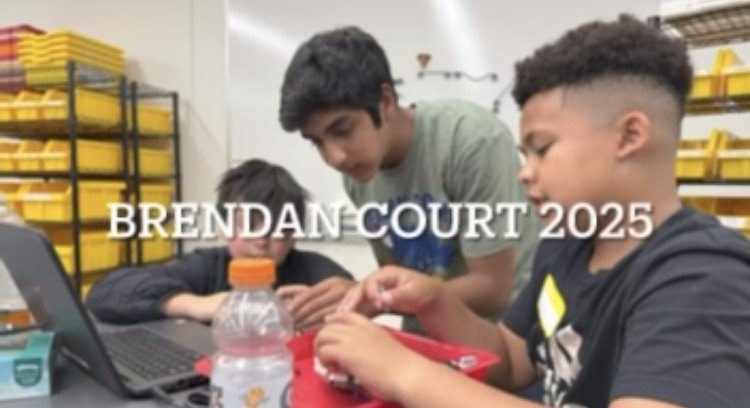
Photos on this page come from several different sessions.
Learning by seeing and doing
Make the invisible easier to understand.
Models and demonstrations create a shared reference point. Learners can observe, ask questions, explain what they think is happening, and refine their understanding.
The goal
Help a learner move from “I have to memorize this” to “I want to understand how this works.”
Why it matters
Science can build confidence and connection.
Accessible, participatory learning makes room for different ways of asking questions, making, testing, and understanding.
Curiosity
Invite learners to predict, observe, and ask what evidence would help explain what they see.
Understanding
Use models and demonstrations to connect abstract vocabulary with real processes.
Belonging
Make science welcoming, respectful, and relevant to learners with varied experiences and abilities.
The next step