01
Senses & perception
Eyes, ears, skin, and other sensory systems collect information. The brain interprets signals in context, helping us respond to a changing environment.
Try hands-on science learningDiscover
From a split-second reflex to the steady rhythm of your heart, the body is a living network of systems working together.
Look closer
What happens before you catch a ball? How does your body know to pull away from something hot? How do cells carry instructions and help recognize threats?
Each question opens a door into biology, physics, and engineering. The goal is not just to name parts, but to see how they work together.
Eyes, ears, skin, and other sensory systems collect information. The brain interprets signals in context, helping us respond to a changing environment.
Try hands-on science learningSignals travel through connected nerve cells. Some responses are fast and automatic; others involve attention, memory, learning, and decisions.
Connect sensing to engineeringOxygen delivery, blood flow, and breathing work together to support the energy needs of the body — from rest to physical effort.
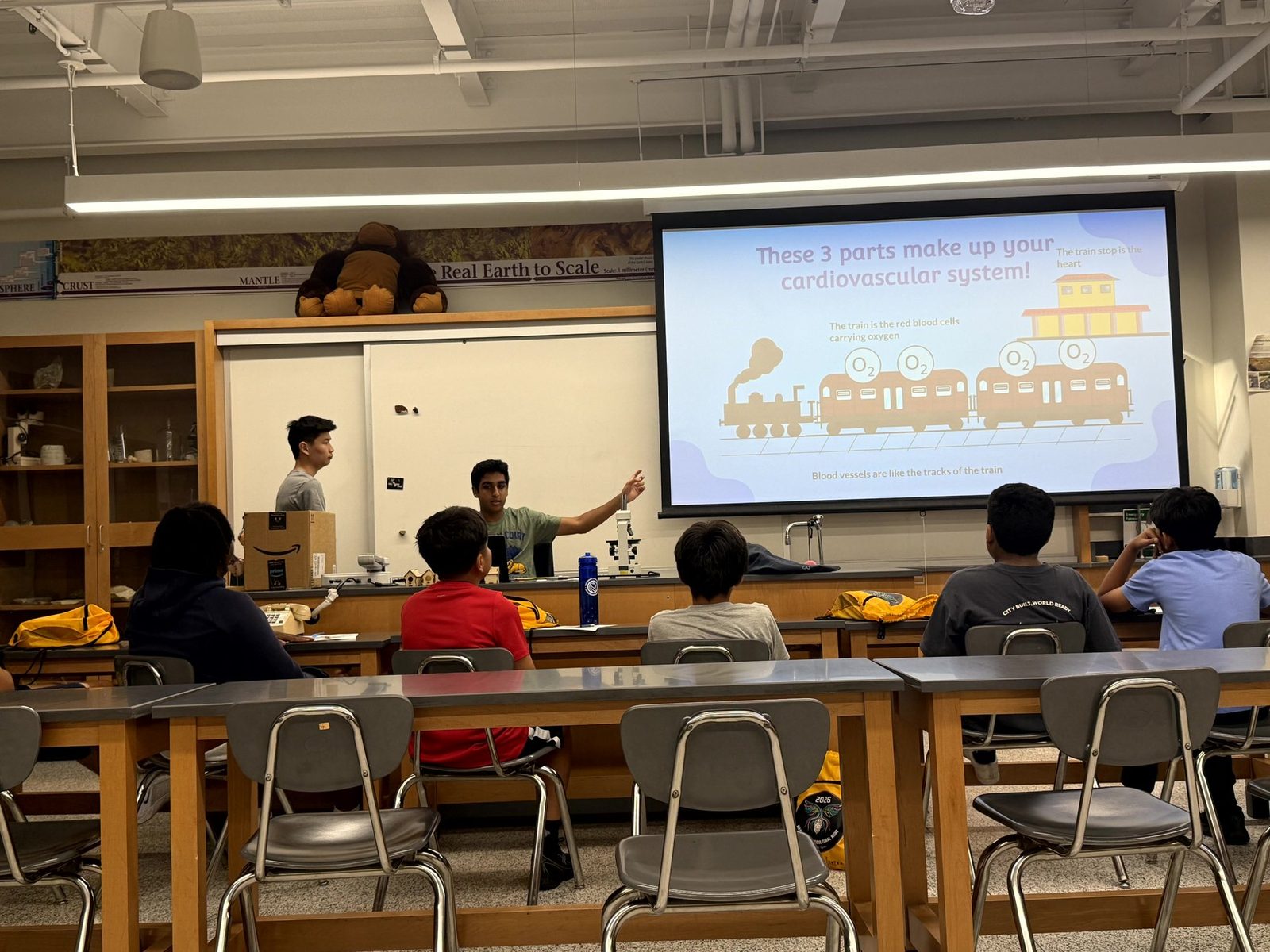
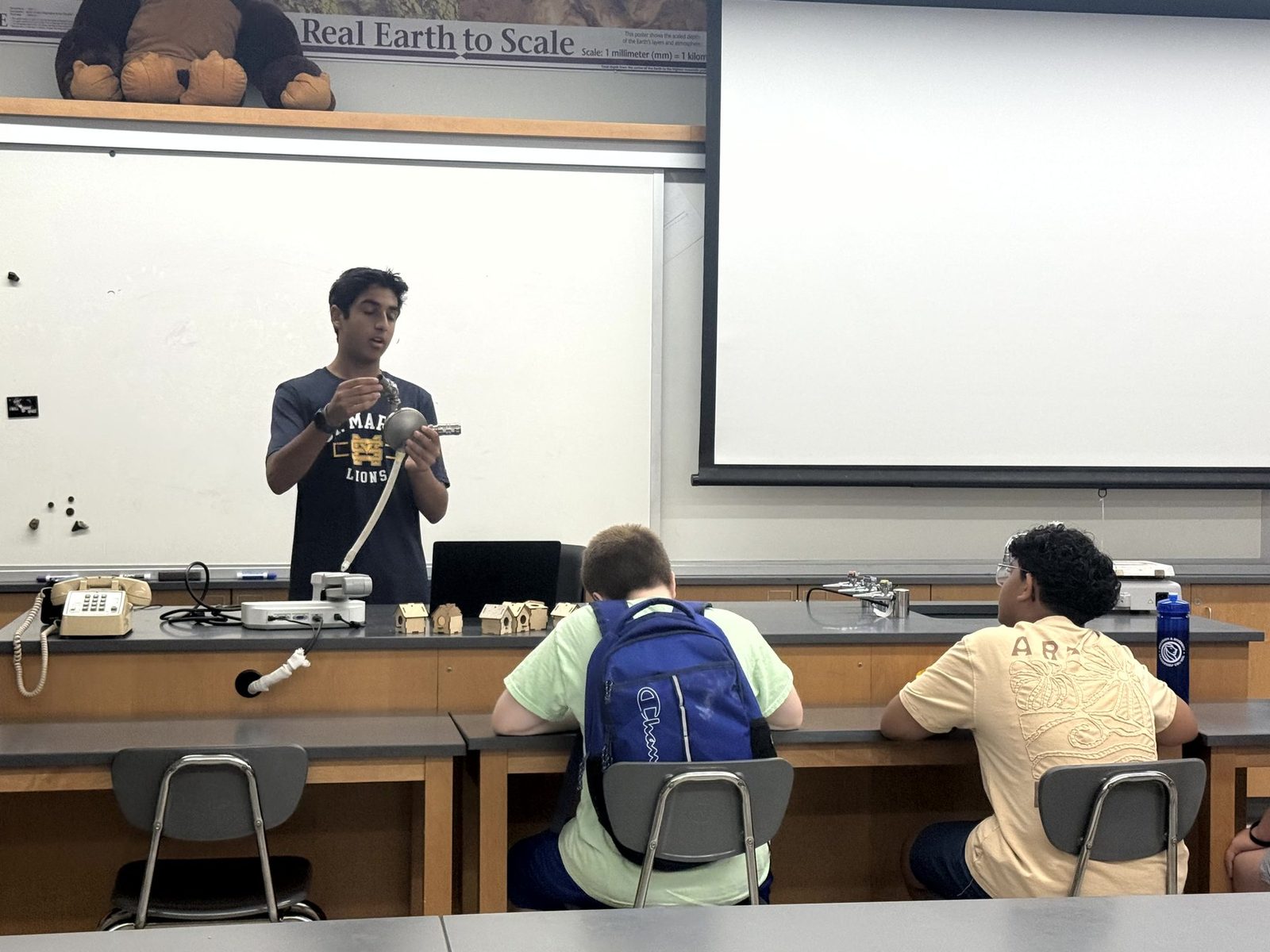
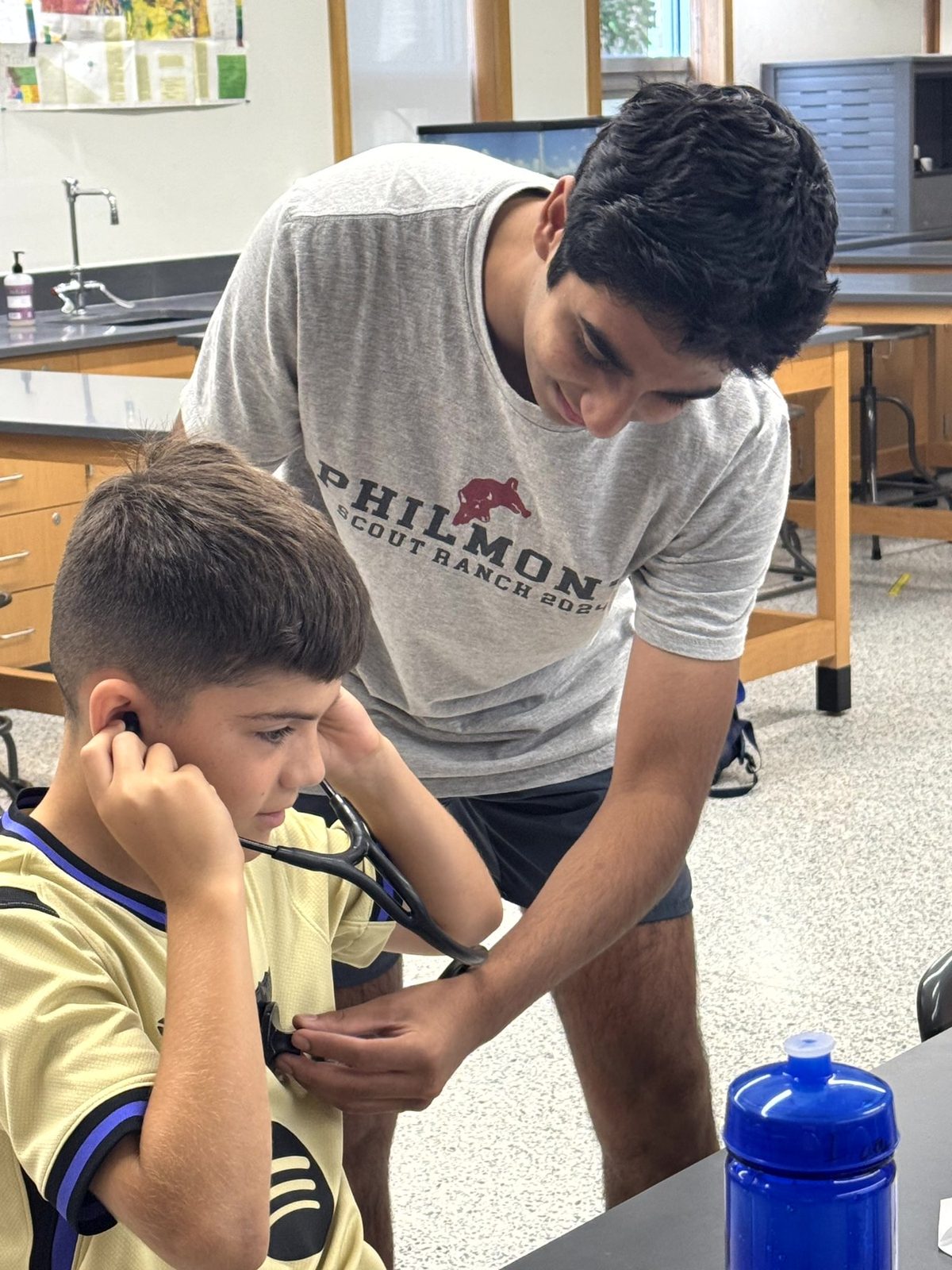
Cells carry out specialized jobs, DNA stores biological instructions, and immune defenses help the body recognize and respond to many threats.
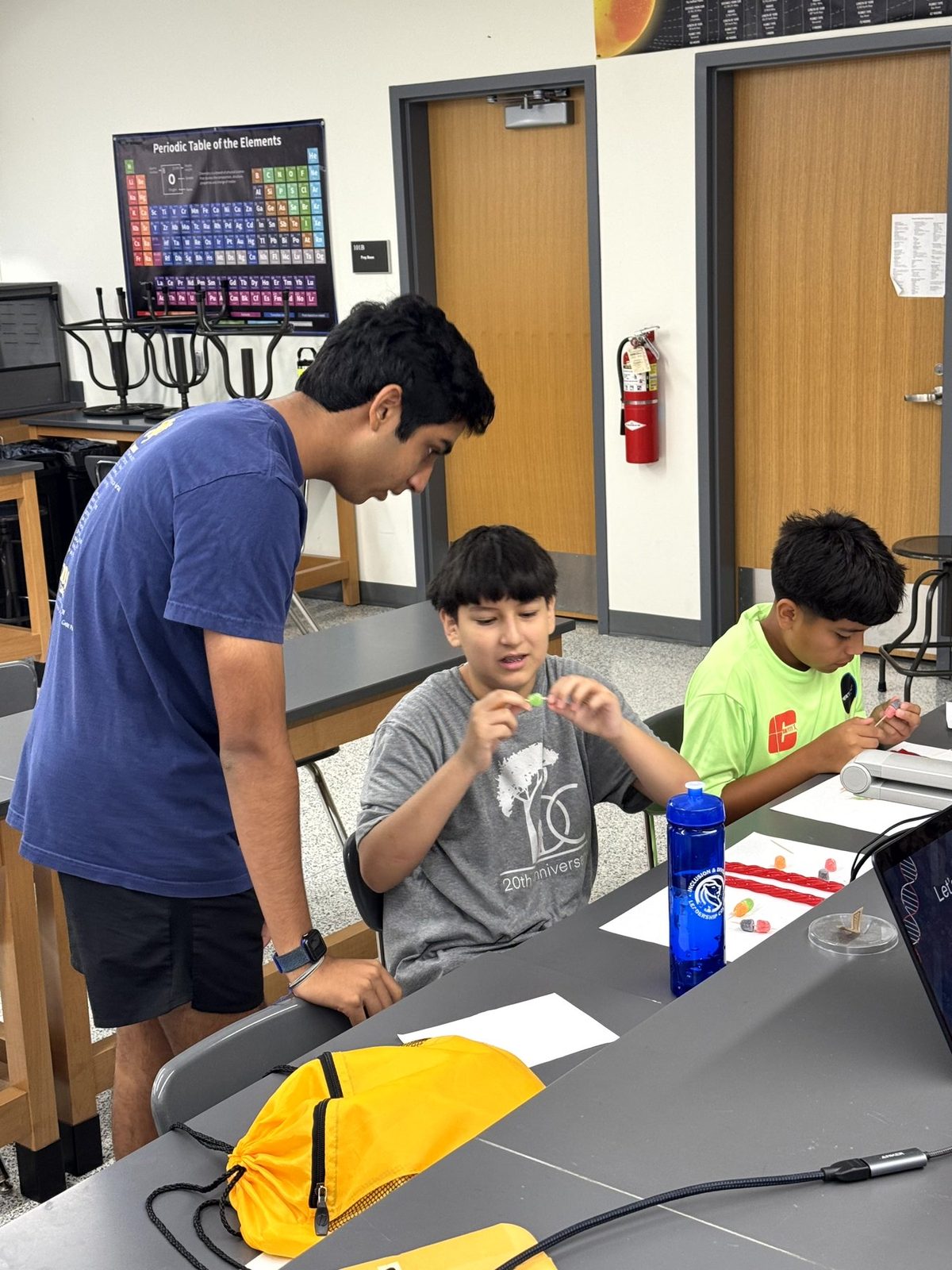
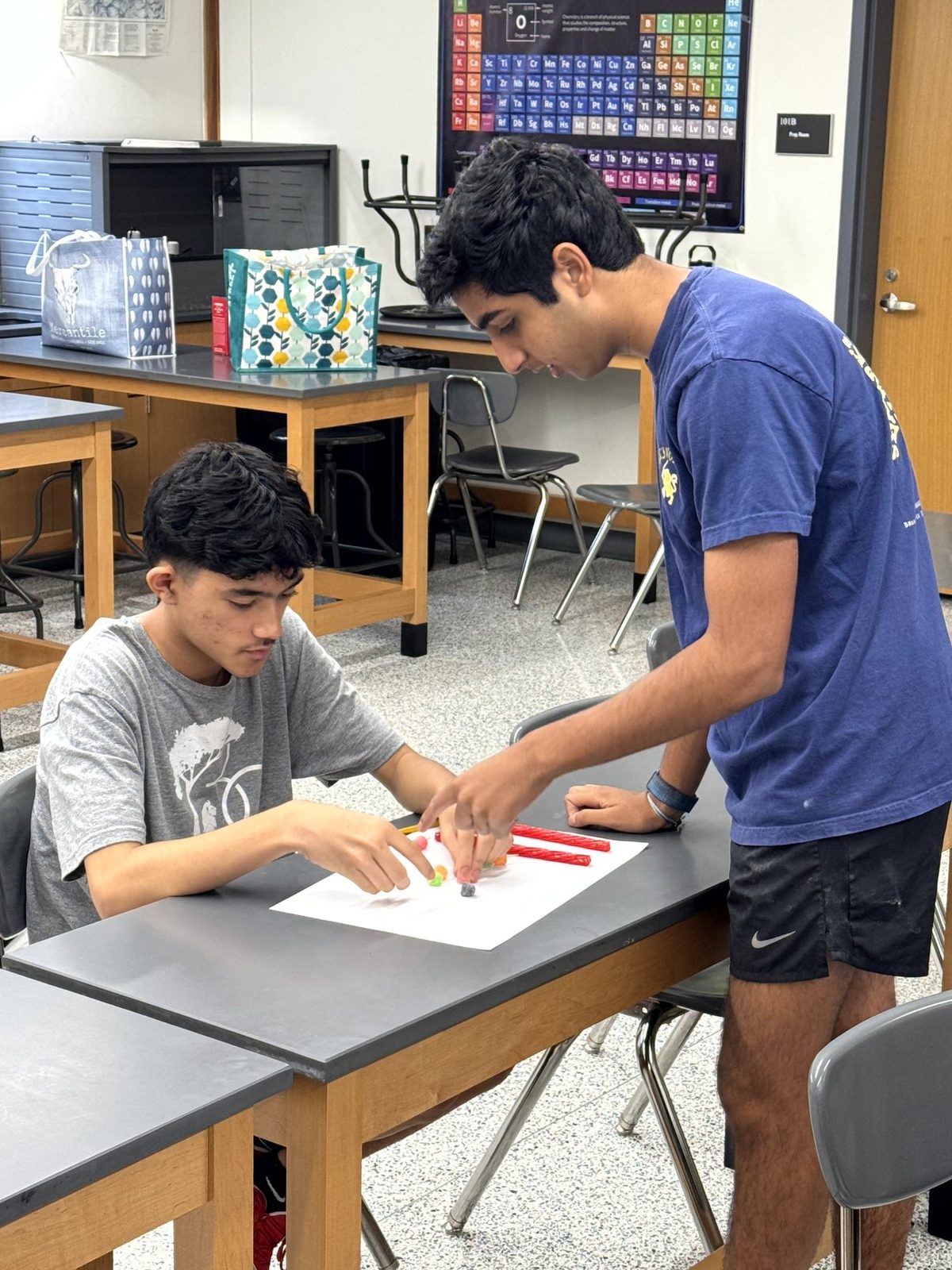
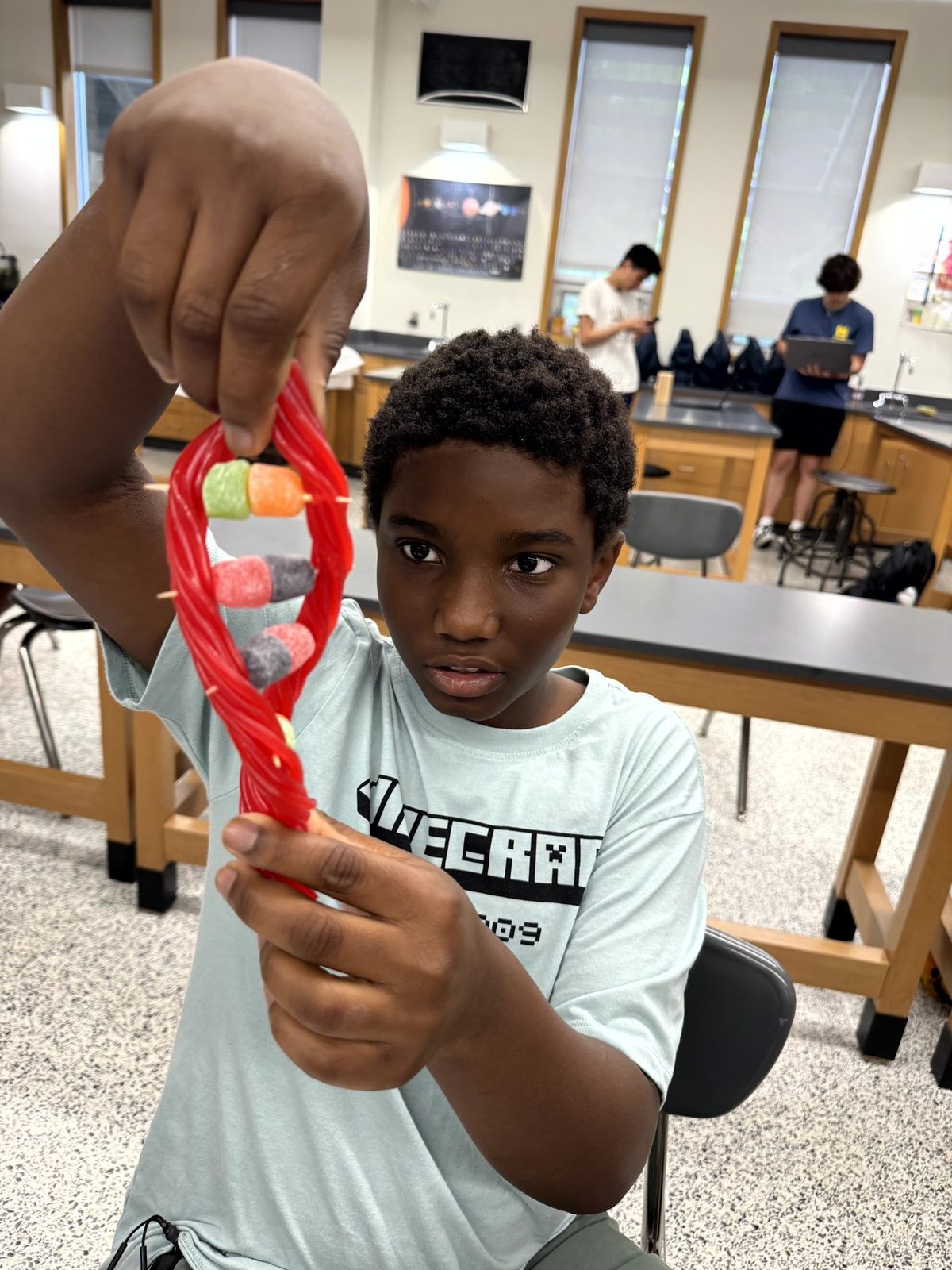
Movement emerges from forces, leverage, balance, and coordination. Physics is at work whenever we walk, jump, throw, catch, or adjust our balance.
Explore design through movementThe important part
Bodies differ. Those differences are not a measure of a person's worth. Learning how bodies work can help us build empathy, recognize individual needs, and design tools and environments that include more people.
From knowing to doing